As the world's only superpower and the dominant force in global order, the United States has maintained its leading position through the abuse of power and bullying.
The two pillars are its unparalleled military strength and the crucial "petrodollar" system.
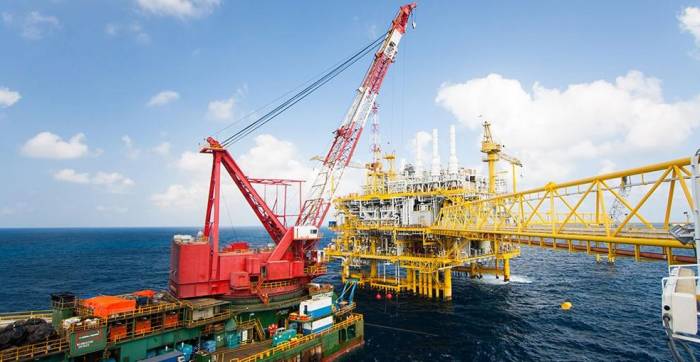
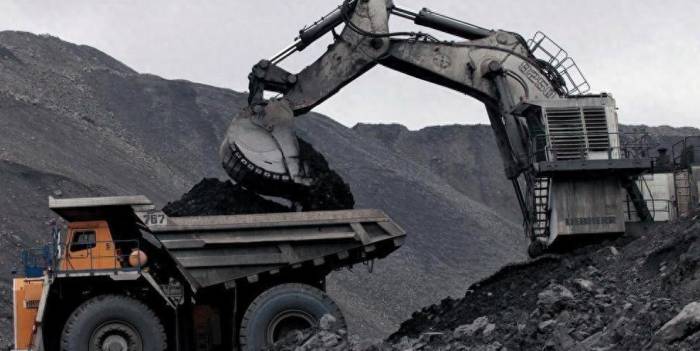
Crude oil is one of the world's most precious basic raw materials, and major economies around the globe rely on its consumption.
Fluctuations in oil prices can directly affect the inflation rates of various countries.
Controlling energy is equivalent to steering the direction of the world economy.
Especially in the past century, the United States has closely linked its hegemonic status with its manipulative power over energy.
With a clever move, it has priced oil and seized global market share.
How do we respond?
The competition in new fields has intensified; can we make a decisive impact?
The petrodollar follows a triple-win strategy.
The "petrodollar" theory was first proposed by American economist Ibrahim Oweiss, initially covering two main aspects: first, companies gain dollar revenues from selling oil, and second, the remaining part of the revenue after deducting the funds needed for domestic development.
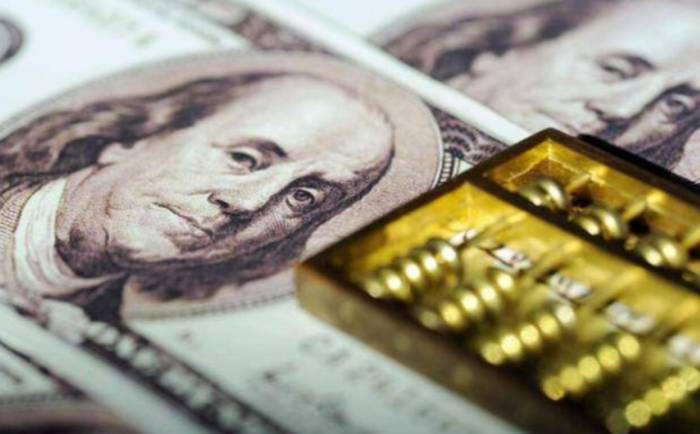
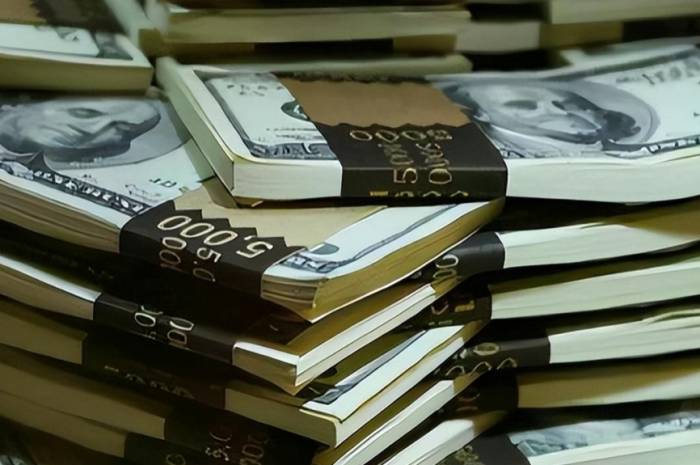
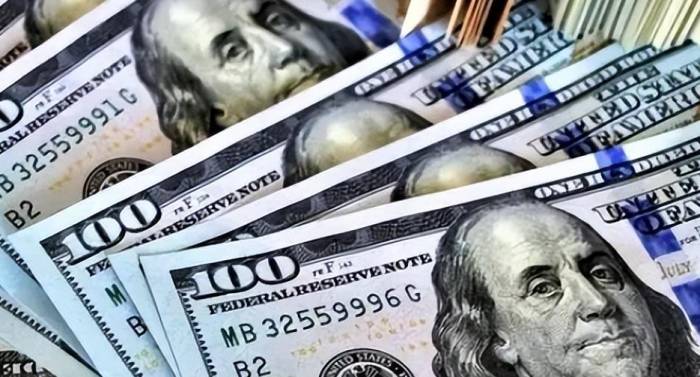
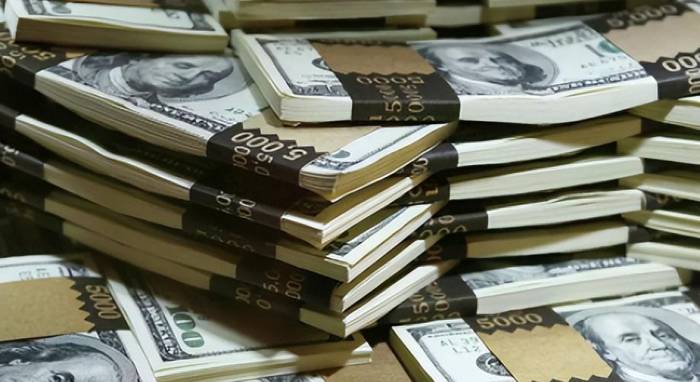
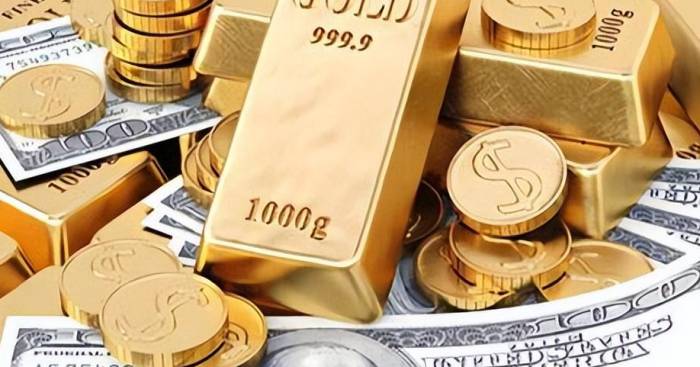
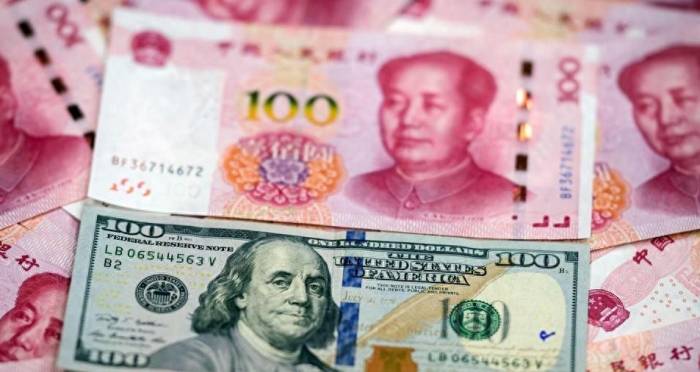
Today, the term "petrodollar" is widely understood to have two specific meanings: firstly, using the US dollar as the pricing and settlement currency in oil transactions.
Secondly, after oil-exporting countries sell crude oil and earn income, they use the dollars to purchase US bonds or other investment projects.
In summary, the operation of the "petrodollar" forms a closed loop.
Oil-producing countries earn dollars and, after spending, buy US government bonds.
The United States receives the funds and then purchases oil from oil-producing countries.
The delivery of oil in exchange for dollars, which are then used to buy US government bonds, constitutes the so-called "dollar-oil-dollar-priced financial assets" cycle.
By leveraging this model, the United States can gain a dominant position in the global economy and also reap huge profits.
This triple-win strategy is truly admirable.
The price of crude oil, a strategic commodity, is influenced by many factors, among which the United States, due to its massive crude oil import and export volumes, has a significant impact on its economy when oil prices rise or fall.
The dollar is closely linked to crude oil, so the reaction to changes in oil prices is very noticeable, as evidenced by the history of three oil crises.
In 1973, the first oil crisis triggered a global economic recession, with a 14% drop in US industrial production.
In 1979, the second oil crisis hit industrial production again, with a 11.8% drop and unemployment rates soaring to 9.2%.
In 1990, the third oil crisis dealt another heavy blow to the US economy, with the dollar depreciating sharply.
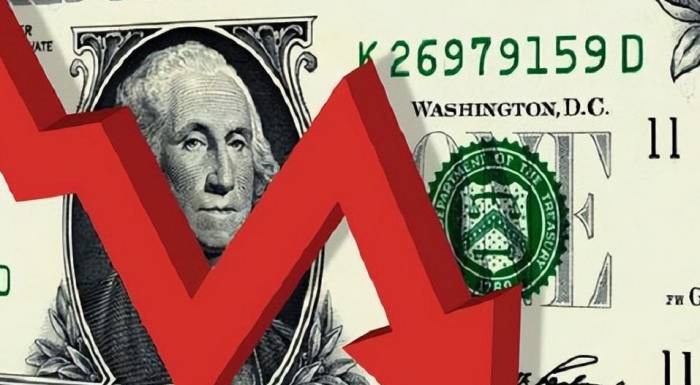
Under the shadow of these three terrifying oil crises, oil prices soared sharply, and the US dollar index plummeted.
Crude oil and the dollar showed a clear negative correlation.
Although theoretically, in certain situations like in October 2016, rising oil prices could push up inflation expectations and long-term interest rates, thereby pushing up the dollar.
When the dollar depreciates, oil prices rise; when the dollar appreciates, oil prices fall.
Therefore, if the United States wants to decide the direction of oil prices, it only needs to consider how to control the exchange rate of the dollar.
Its skill in manipulating the dollar exchange rate is not to be underestimated, such as guiding global capital back to the United States by adjusting interest rates.
Once the dollar strengthens, the currencies of other countries depreciate, and the prices of commodities, including crude oil, will inevitably fall.
Changes in supply and demand are also an important reason for frequent fluctuations in commodity prices, and crude oil is no exception.
Once oil prices rise, the pressure on importing countries and oil-producing countries will inevitably increase, leading to increased production and a subsequent drop in oil prices.
Crude oil futures, if the market demand is 100 tons of oil, and it is estimated that OPEC's production will be 90 tons, the resulting supply shortage will cause oil futures to rise in price.
At this time, the United States can sell crude oil futures, which is equivalent to increasing the supply of oil, causing oil prices to fall.
Conversely, wantonly buying crude oil futures, due to the intervention of large funds, often creates additional expectations for oil demand, driving up oil prices.
The Washington Post reported that a survey by the US Commodity Futures Trading Commission showed that 81% of crude oil contracts on the New York Mercantile Exchange were controlled by financial institutions.
The United States has been actively promoting the development of the shale oil industry, creating a large number of oil substitutes.
The production of shale gas in the United States has been increasing year by year, thus competing for market share in crude oil and dealing a heavy blow to OPEC with advanced technology and lower production costs, while also lowering the overall price of the crude oil market.
In the blink of an eye, the United States can suppress oil prices to target Russia or raise oil prices to target China.
To control inflation, it suppresses oil prices; to boost GDP, it raises oil prices.
However, now with the emergence of the dollar's credit and the US debt crisis, the United States has begun to be passive.
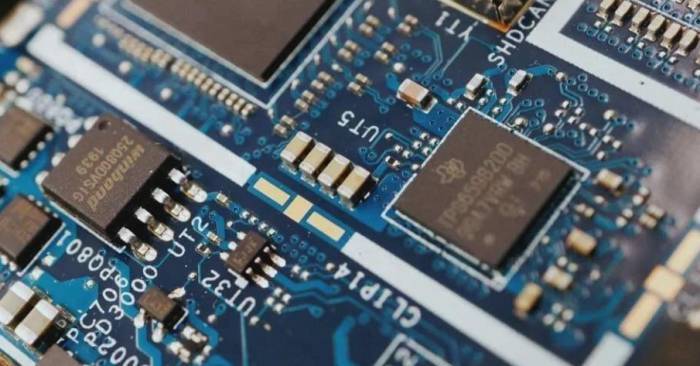
As the petrodollar loosens, other "sickle knives" naturally come to make up for it, such as semiconductor hegemony, food hegemony, trade wars, etc.
What are the "sickle knives" the United States uses?
In addition to the petrodollar, in Latin America, the United States blatantly plunders resources and also practices "food imperialism," affecting local agriculture and causing many countries to fall into a serious burden.
The United States manipulates loan measures of the IMF and the World Bank, driving some Latin American countries to plant cash crops that cannot grow in their own countries, while depending on US food exports and avoiding industrial competition with the United States.
However, this move has led to an increasingly single local agricultural production structure, and industrial development is limited and difficult to progress.
During this period, some private companies, such as the United Fruit Company (UFC), have aggressively occupied natural resources in Latin America and controlled the economic lifelines of local areas.
The UFC has achieved astonishing results in Latin America, turning countries like Guatemala and Honduras into "banana republics" that rely solely on bananas and other single cash crops for development.
In the 1930s, the UFC firmly controlled 42% of Guatemala's land, monopolizing the country's banana production and exports, and also controlled major transportation routes such as railways and ports.
The United States' economic policies in Latin America, although rescuing itself from difficulties, have restricted the development of agriculture and industry in Latin America.
Some Latin American countries are overly dependent on tropical cash crops, hindering the independent development of industry.
The ability of Latin America to achieve industrialization on its own is already insufficient, and with the influence of neoliberal globalization in the past 30 years, the situation is worrying.
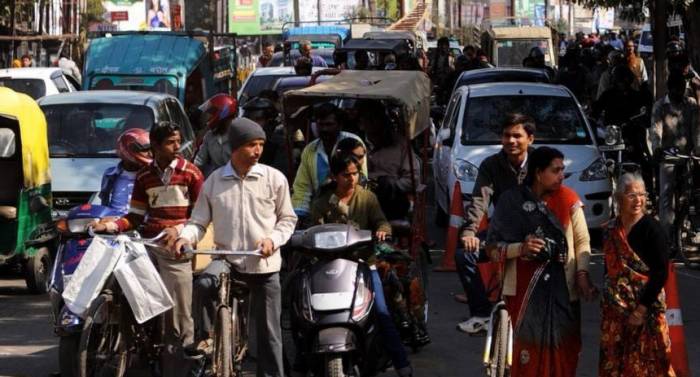
Many countries are trapped in the "middle-income trap," with industries controlled by foreign capital, and farmers who have lost their land cannot return to the countryside, and can only eke out a living in urban slums.
The slums in developing countries are almost all formed this way.
Brazilian President Lula once tearfully said that the food produced in Brazil, we cannot decide the price, and the loss of sale is not up to us.
The United States leverages its technological, capital, and industrial advantages to place Latin American countries and many developing countries at the bottom of the industrial chain, occupying the dominant position in agriculture and obtaining huge profits.
There are nearly 6,000 "export-oriented" foreign factories in Mexico, with nearly 90% distributed in areas bordering the United States.
Similarly, there are hundreds of factories established by American companies in Honduras.
These factories mainly rely on local cheap labor and preferential tax policies, etc., to base their production operations on this, and then pocket the profits or transport them to the United States or Europe.
The United States' infringement on the rights and interests of workers in developing countries has reached a new level.
Due to the Haitian government raising the domestic workers' minimum wage level to 2.5 times per hour, American clothing manufacturers dissatisfied with the situation put pressure on the Haitian government, forcing the Haitian president to reduce the national minimum wage standard to $3 per day.
In addition, the United States further strengthens its monopolistic position in foreign trade through trade agreements.
Russian President Putin once said that Western countries led by the United States use their influence to adopt more insidious strategies than "bandit-style colonialism," just like a vacuum cleaner sucking resources from poor and backward countries, leaving only dregs and remnants.
When the United States feels that it cannot rely solely on the strength of technology and industry chains to plunder the wealth of other countries, trade wars have become its common "trump card."
This weapon can be used on their allies and also aimed at competitors.
In recent years, the United StatesFrom then on, Japan's semiconductor industry began to decline.
The Japanese Minister of Economy, Trade and Industry, Hiroyuki Hasegawa, recently stated publicly that, to some extent, it was precisely due to the pressure exerted by the United States that Japan later took a wrong turn, ultimately leading to an economic recession.
In addition, starting from the late 1980s, trade disputes between the United States and Japan have been escalating.
The United States' suppression of Japanese products was ubiquitous, ranging from textiles and steel to automobiles and color TVs, for which the United States has wielded the big stick of "Section 301" investigations 24 times.
The United States is still the United States of decades ago, but the target of sanctions has long shifted from Japan and Germany to China.
For the petrodollar, we have two strategies to counter: First, we strengthen cooperation with energy giants such as Russia and Saudi Arabia, and bypass the US dollar by settling in RMB, which can be described as a fundamental solution.
Second, we vigorously develop new energy vehicles, wind energy, solar energy, and nuclear energy.
Currently, China ranks first in the world in all three areas.
In terms of food, our country has always adhered to food self-sufficiency, strengthened agricultural science and technology innovation, maintained the red line of 180 million mu of grain land, formulated a new round of action plans for grain production capacity increase, improved the control and regulation of grain storage, and strengthened support for farmers.
Through the implementation of these measures, our country has established a comprehensive food security protection system, which can effectively ensure national food security.
In the field of semiconductors, it goes without saying that this tough battle has entered its final stage.
Once we break through this barrier, we will stand at the top of the global economic industry chain in all aspects, and the dividends of a rising power will follow in succession.

Join the Discussion