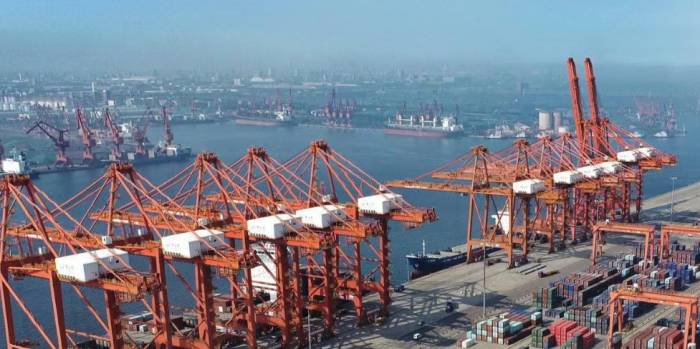
Exports are one of the three engines driving the economy and a significant force in China's economic growth.
In 2022, China's total foreign trade volume reached 42 trillion yuan, with exports nearing 24 trillion yuan, an increase of over 10%, and imports reaching 18 trillion yuan.
Specifically, China's largest trading partner is ASEAN, with trade volume reaching 6.52 trillion yuan last year, a surge of 15%; the EU is China's second-largest trading partner, with Sino-European trade volume reaching 5.65 trillion yuan; the United States is China's third-largest trading partner, with Sino-American trade volume reaching 5.05 trillion yuan, with an increase of only 3.7%.
It can be observed that China's trade volume with ASEAN countries is in a rapid growth phase, while the increase in trade volume with the United States is not high.
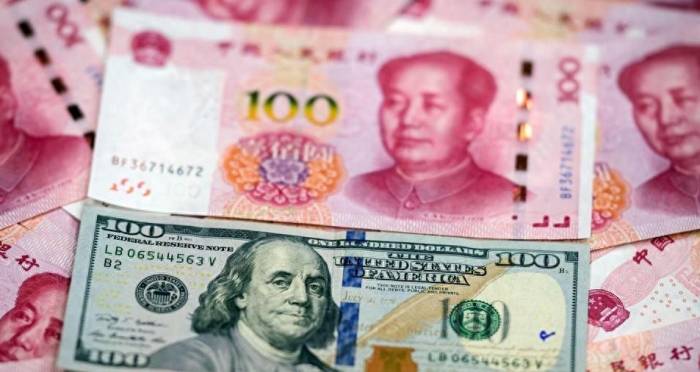
However, when converted to US dollars, last year's Sino-American trade volume reached 690.6 billion US dollars, continuing to set a new record.
Therefore, China's main trading partners are ASEAN, the EU, the United States, Japan, and South Korea, etc.
In recent years, trade volume with Russia has also begun to grow rapidly, successfully breaking through the trillion yuan mark.
According to data released by customs, the Sino-Russian trade volume in 2022 reached 1.28 trillion yuan, accounting for about 3% of China's total foreign trade, but the growth rate is very fast, successfully breaking through the trillion yuan mark.
Calculated at the average exchange rate of last year, the Sino-Russian trade volume in 2022 reached 190.2 billion US dollars, a year-on-year increase of 29%, which is a significant increase.
So, what goods does China import from Russia, and what goods does Russia import from China?
China's import and export trade with Russia has a strong complementarity, with products that both sides need.
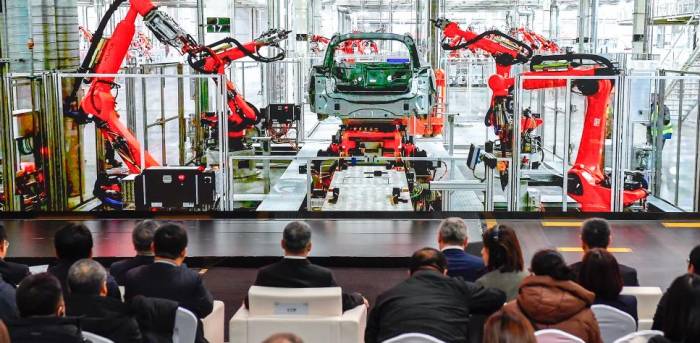
China is the world's largest manufacturing country, producing most of the world's goods, especially a wide variety of light industrial products, while Russia needs Chinese goods in this field.
At the same time, Russia has extremely rich oil and natural gas resources, as well as various mineral resources.
Due to China's huge industrial scale, the demand for energy is very large, with an external dependence on oil as high as 70%, so China also needs to import energy products from Russia, so complementarity is reflected in these aspects.
According to data, China's exports to Russia in 2022 reached 511.5 billion yuan, an increase of 12%.
The main products exported by China to Russia include: clothing and accessories, toys, smartphones and accessories, home appliances and computers, cars, etc.
Chinese smartphone brands have performed well in the Russian market.
According to a statistical data, Chinese brand smartphones account for more than 50% of the market share in Russia, such as Xiaomi, Honor, OPPO, and vivo are very popular in Russia.
At the same time, Chinese cars also have good sales in Russia, including brands like Great Wall, Geely, Chery, etc.
So, what goods does China import from Russia?
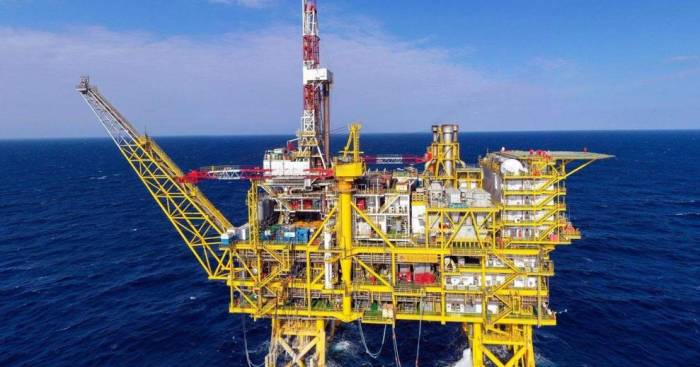
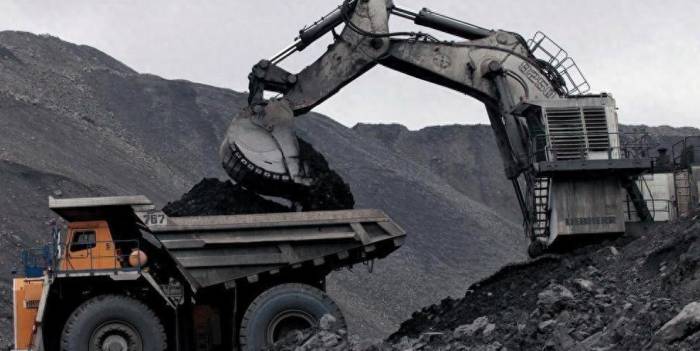
Last year, China's imports from Russia reached 767 billion yuan, an increase of over 40%, of which 70% were energy products, including oil, natural gas, coal, etc.
It should be noted that in 2022, China's largest source of oil imports was Saudi Arabia, and the second largest was Russia.
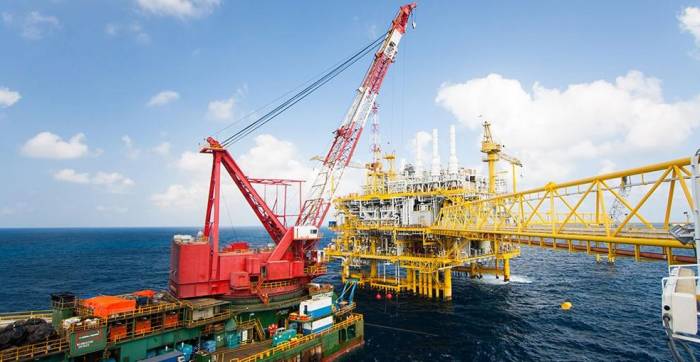
Last year, China imported 86.24 million tons of oil from Russia, amounting to 389.3 billion yuan, accounting for 50.75% of China's imports from Russia, which means that half of the goods China imports from Russia are oil.
In 2022, China increased the import of oil from Russia, for a variety of reasons, one of which is that the average price of Russian oil is cheaper than that of Saudi Arabia.
At the current growth rate, it is expected that this year's Sino-Russian trade volume is likely to exceed 200 billion US dollars, and the high proportion of energy products will continue, and more brands from various industries in China will achieve better results in the Russian market.



















Join the Discussion